
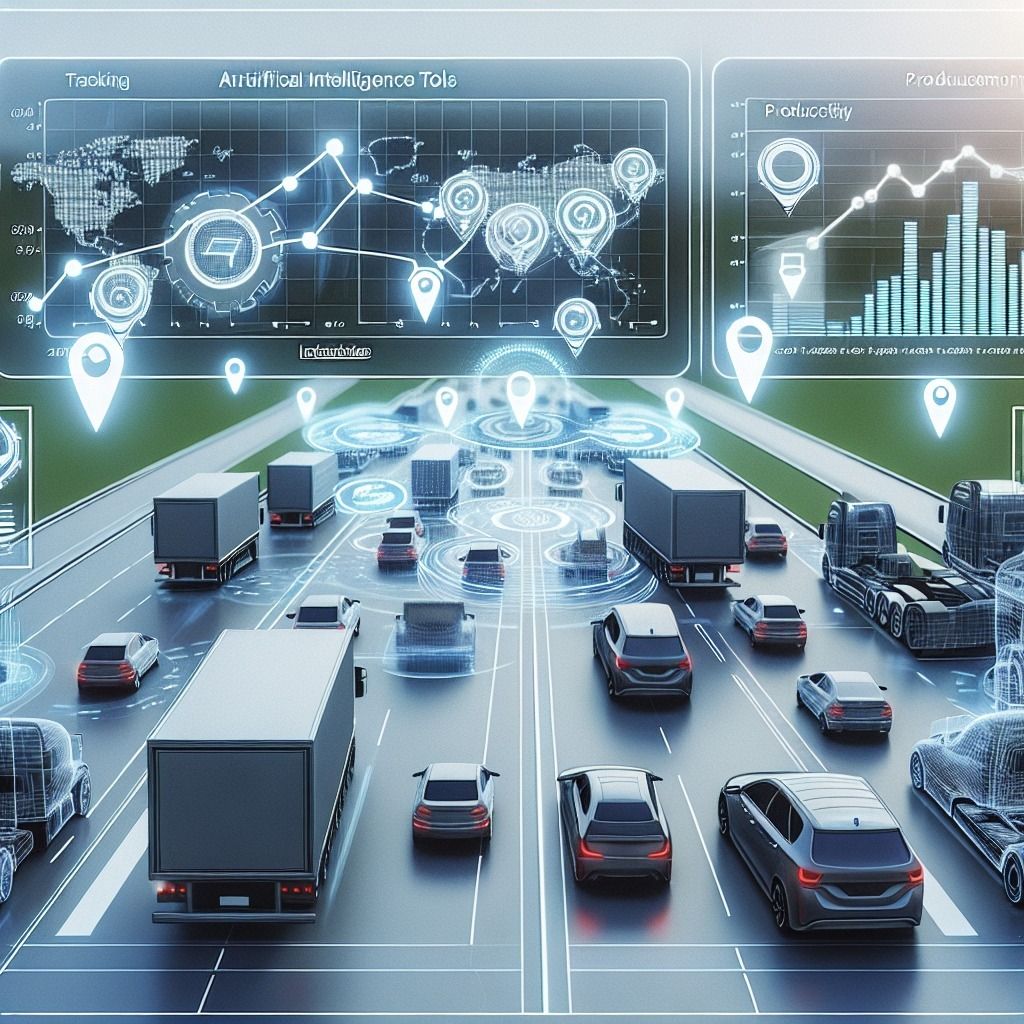
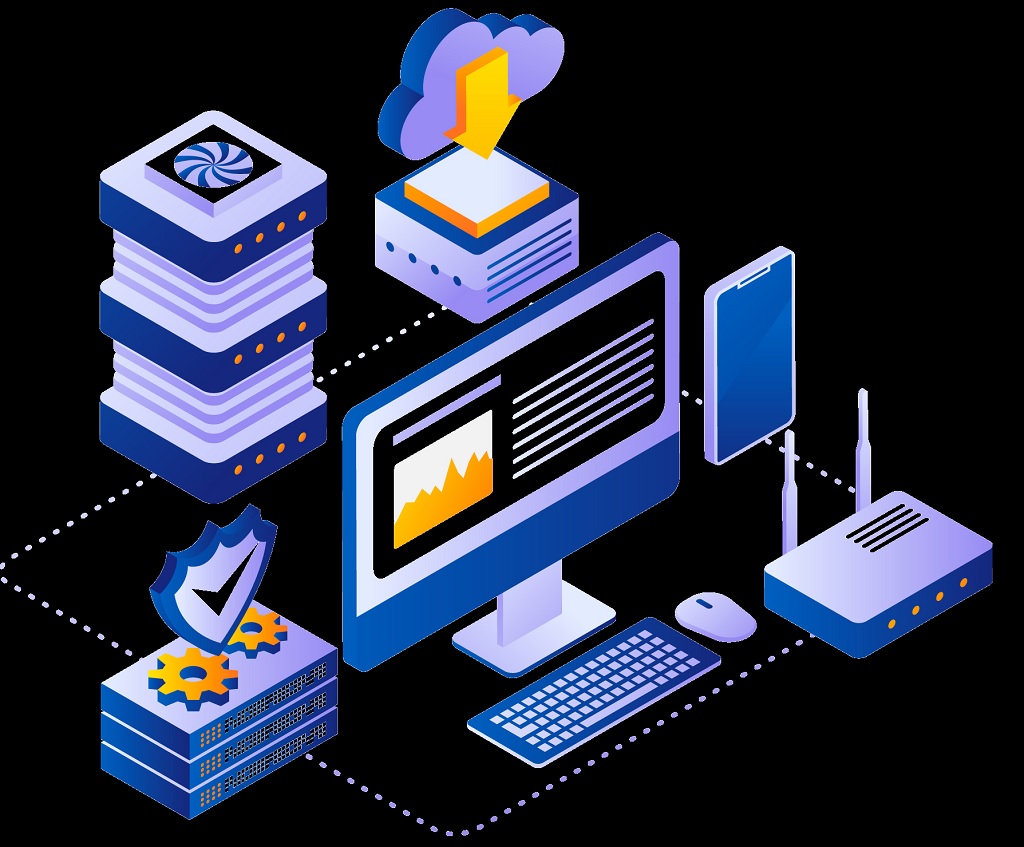
Modern vehicles produce a steady stream of signals. Speed, location, engine health, fuel use, even how often someone taps the brakes. On their own, these signals feel like noise. Collected in one place, fleet management system software turns them into a conversation fleets can actually follow without needing a translator.

Connected vehicle data changes how decisions get made. Instead of reacting after something goes wrong, teams see hints of trouble early. An engine runs hotter than usual. Fuel use creeps up on a familiar route. Brake wear accelerates on one vehicle but not its twin. These small signals matter. Catch them early and problems stay small. Ignore them and costs tend to shout later.
Maintenance planning becomes more grounded in reality. Service schedules tied to real usage beat calendar guesses every time. Vehicles that work harder get attention sooner. Light-use assets don’t get dragged into the workshop for no reason. Downtime drops. Budgets settle. Drivers trust vehicles that feel looked after, and that confidence carries into how they drive.
Connected data also sharpens driver coaching. Behavior behind the wheel leaves a clear trail in the numbers. Hard starts, sharp turns, long idle periods. The goal isn’t to nitpick. It’s to show cause and effect. When drivers see how habits affect fuel use and wear, many adjust without being told twice. One driver laughed that the data called him out more gently than any supervisor ever had.
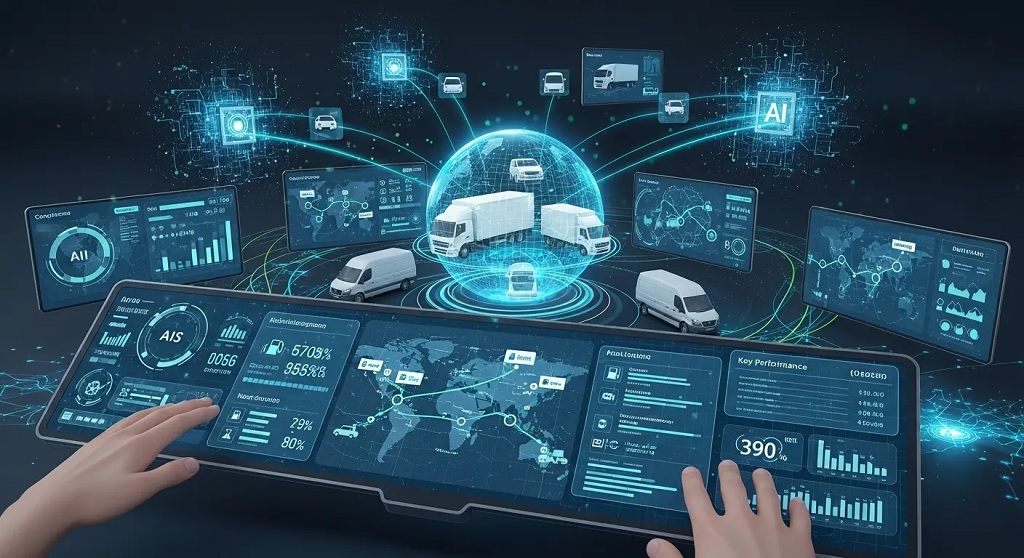
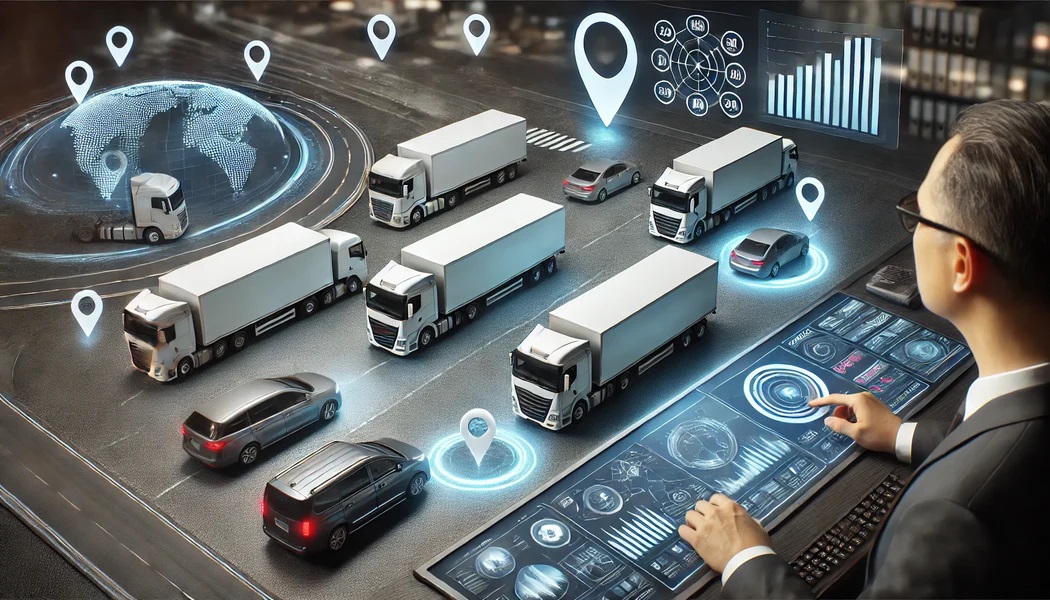
Operational visibility improves as data streams line up. Dispatchers see where vehicles are and how they’re performing in near real time. Delays make sense. Routes get refined. Schedules feel achievable instead of optimistic. Fewer calls chase updates. More time goes into planning what’s next.
Connected vehicle data doesn’t replace experience. It sharpens it. When machines speak clearly and systems listen well, fleets gain insight that feels almost like intuition, except it’s backed by numbers.



































Leave a Reply