
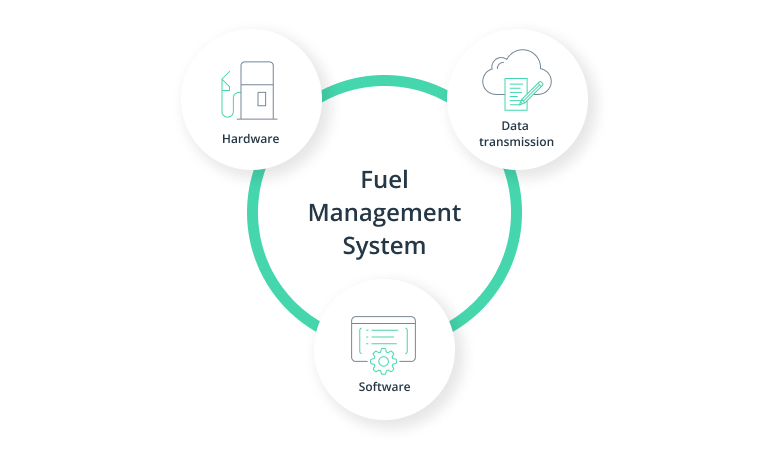
Transport budget can be broken or made by fuel. A single poor month of price swings or reckless driving and the profit margins begin to spurt out like a burst tank. That is why fleet fuel management is now such a game-changer because it is a control that is brought back to the driver seat, both literally and figuratively.
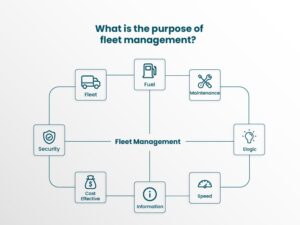
Consider it as the heartbeat of any fleet activity. Each gallon of fuel is precious, and tracing its trail is half the fight. The modern systems record all the details, including refueling time, miles, hours spent in idle mode, and even the rate of one accelerating. That data builds a story. It is a nice one; sometimes it is not that nice. But either way, it’s honest.
The actual saving is not the one big thing but the little things that are saved to make small habits. By reducing idling by ten minutes a day, a driver could save hundreds of liters a year. Multiply that by twenty cars, and you are saving up enough fuel to drive a small town. Those efficiencies that are invisible are the ones that mean the difference between getting by and prospering.
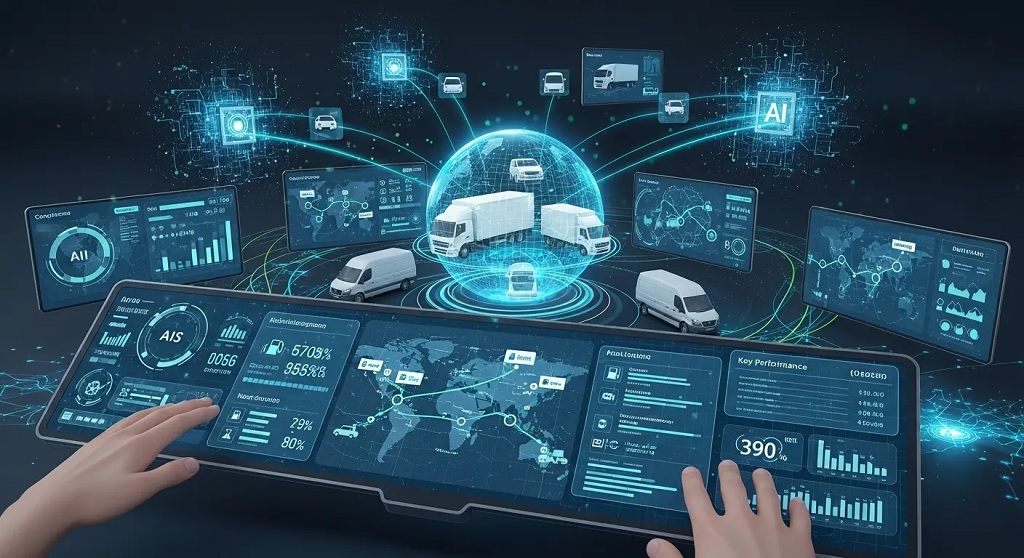
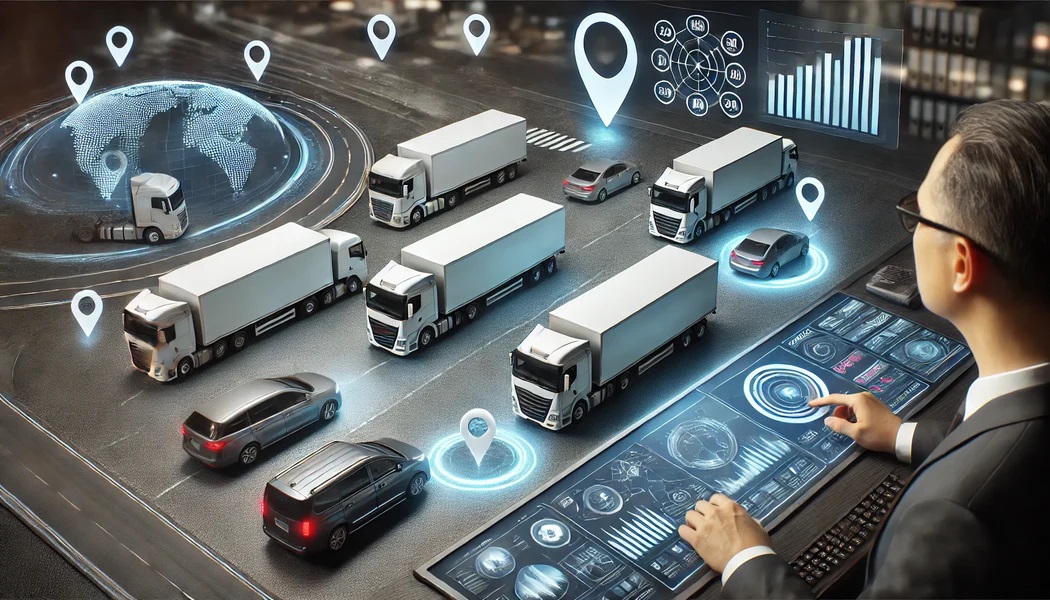
This is also a smarter job brought by technology. Fleet managers are now in a position to monitor the use of fuel in real time. There are alerts on odd use, such as a truck that is consuming more fuel than it normally uses on the same route. Maybe it’s a tire issue. Maybe it’s bad driving. Either way, the fix comes fast. No longer have to wait a whole month to realize that something had been amiss weeks ago.
Ultimately, fleet fuel management is not so much about devices but rather about sensibility. It is the silent school that makes the fleets lean and green and more productive mile after productive mile. And in the modern world, that is not only clever, but it is survival on wheels.































Leave a Reply